World Headache Day
World Headache Day is held on September 12. A Day of Awareness and Support. This event in the second decade of the month September is annual.  Help us
Help us 
World Headache Day, celebrated annually on September 12, is dedicated to people who struggle with headaches, especially migraines. This day serves to raise awareness about migraine as a serious neurological condition and contributes to public awareness of the invisible effects of headache disorders. Migraine affects approximately 15% of the global population, or around one billion people. It is one of the most common causes of absenteeism from work and significantly impacts the quality of life of those affected.
History of Migraine: Migraine is not a new condition. Even in ancient times, physicians such as Hippocrates and Galen described symptoms that we now recognize as migraine. The term "migraine" comes from the Greek word "hemicrania," meaning "half skull," because the pain often occurs only on one side. The first references to migraine can be found in Egyptian papyri dating back over 4,000 years, as well as in biblical texts. Despite its long history and widespread prevalence, migraine has long been under-researched.
World Headache Day was established by the International Headache Society (IHS), a scientific organization dedicated to the research and treatment of headache disorders since 1981. Since its first celebration in the early 21st century, the day has served as a platform for professionals and sufferers to educate about migraine and its effects. The WHO now ranks migraine among the ten most disabling diseases and warns of the economic costs – in Germany alone, over €3 billion in workdays are lost annually due to migraine.
World Headache Day is celebrated worldwide with a variety of events. Support groups, medical associations such as the Migraine League, and pharmaceutical companies organize lectures, webinars, and social media campaigns. The goal is to spread knowledge about symptoms, triggers, and treatment options.
A particularly important aspect of this day is raising awareness of the invisible symptoms of migraine. Many sufferers struggle with the challenge that their pain is invisible from the outside, which can lead to misunderstanding and stigmatization. The day helps promote understanding of the psychological and social impact of the condition and offers support to those affected.
Scientific Advances and Patient Involvement: World Headache Day also serves as a platform for scientific advances. In recent years, new medications such as CGRP antibodies have been developed, representing a breakthrough in migraine treatment. These medications offer hope for many sufferers who have not been able to achieve sufficient relief with conventional treatment methods.
Another highlight is the increasing participation of patients who share their experiences via platforms such as "Headbook" or migraine communities. Initiatives such as "Attack! Together Against Headaches," launched in Germany in 2019, have helped to further raise awareness of the suffering experienced by those affected.
Special Features of World Headache Day: World Headache Day emphasizes that migraine is an "invisible illness." One-third of sufferers experience a so-called "aura," which involves visual or sensory disturbances. However, most struggle with intense, throbbing pain, nausea, and sensitivity to light. These symptoms can severely impact daily life and require holistic treatment, which includes medication as well as lifestyle changes such as stress reduction and a modified diet.
Another important aspect of the day is the promotion of interdisciplinary collaboration. Neurologists, psychologists, employers, and patients work together to find comprehensive solutions to relieve migraines and help those affected.
Conclusion: World Headache Day as an Important Platform.
World Headache Day is more than just a day of remembrance. It offers a valuable opportunity to raise public awareness of migraine and other headache disorders, celebrate scientific advances, and, above all, put those affected at the center. Raising awareness can reduce misconceptions and create a better understanding of the challenges posed by the condition.
Similar holidays and events, festivals and interesting facts
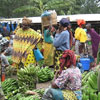 Wakulima ya Nane Nane Day in Tanzania on August 8 (The local name of this holiday is Nane Nane, that in Swahili, the national language in Tanzania, means 'eight eight'. The day refers to the holiday's occurrence on the eighth day of the eighth month of the year.);
 Engineer's Day in Tanzania on September 15
 Nyerere Day in Tanzania on October 14
 Tanzania Independence Day on December 9 (celebrates the independence of Tanganyika from Britain in 1961);
 Zanzibar Revolution Day in Tanzania on January 12
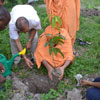 National Tree Planting Day in Tanzania on April 1
 Arbor Day in Tanzania on April 1